
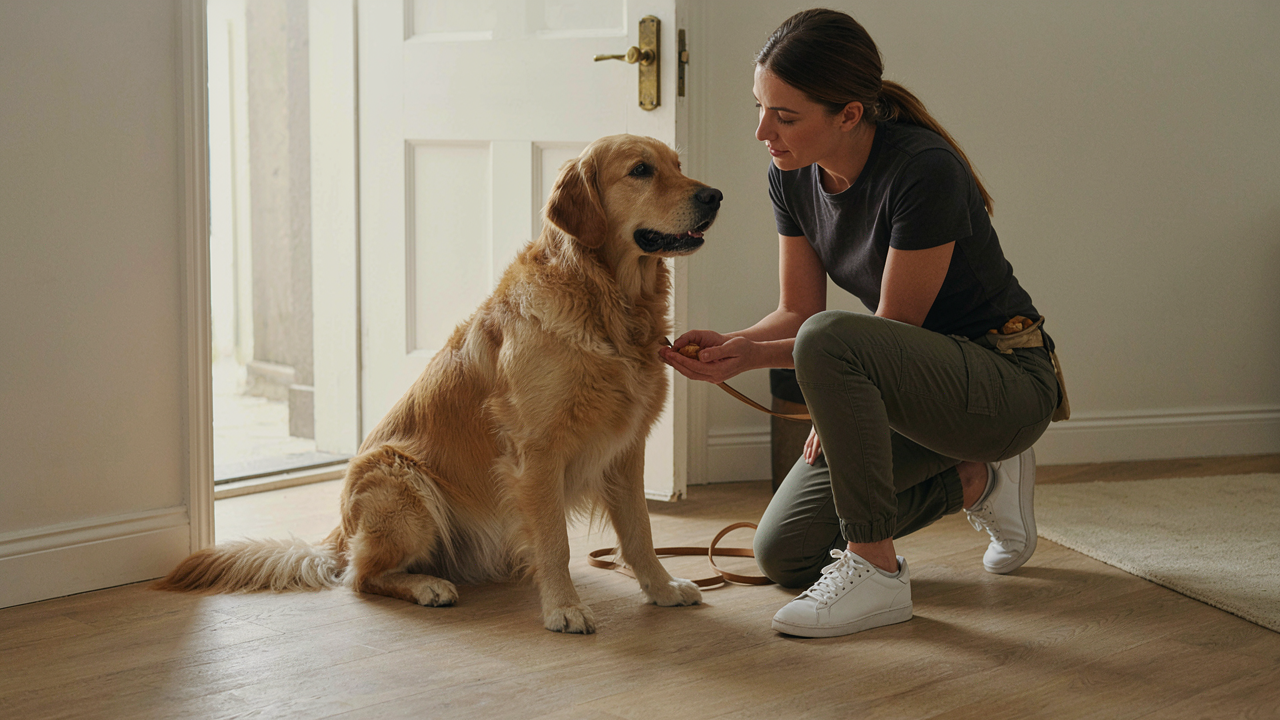
A reliable recall is one of the most valuable skills any dog can learn. Effective dog recall training gives owners confidence that their dog will return when called, even around distractions. Whether you’re training a young puppy or helping an older dog improve reliability, consistent recall practice strengthens communication, supports safety, and creates more enjoyable everyday experiences. At Rob’s Dog Training, we recognize that dependable recall is built through consistent training and clear communication between dogs and their owners.
Many owners believe recall is simply teaching a dog to respond to its name. In reality, dependable recall is built through trust, motivation, repetition, and gradual exposure to increasingly challenging environments. When taught correctly, it becomes a lifelong habit that benefits both dogs and their families.
Why Dog Recall Training Matters
Recall is far more than a convenience. It is a safety skill that can prevent dangerous situations before they occur.
A dog that reliably returns when called is less likely to:
- Run into traffic
- Chase wildlife
- Approach unfamiliar dogs
- Wander away in public spaces
- Ignore owners during emergencies
Strong recall also allows owners to provide their dogs with greater freedom during outdoor activities while maintaining control when necessary.
Rather than depending on physical restraint alone, recall gives owners another effective way to manage their dog’s behavior in everyday situations.
Recall Is Built on Positive Experiences
Dogs repeat behaviors that consistently lead to rewarding outcomes.
Successful recall training focuses on making returning to the owner the most rewarding choice available. Instead of viewing the recall cue as the end of fun, dogs learn that coming back often leads to praise, play, treats, or another enjoyable activity.
This positive association increases enthusiasm while reducing hesitation during future training sessions.
Punishing a dog after it returns can weaken recall because the dog begins associating coming back with unpleasant consequences.
Start Training in Low-Distraction Environments
One of the biggest mistakes owners make is expecting reliable recall in busy parks before practicing in easier settings.
Dogs learn best when distractions are introduced gradually.
Begin training in locations such as:
- Inside the home
- A fenced backyard
- Quiet outdoor spaces
- Empty parks during off-peak hours
Once your dog consistently responds, slowly introduce additional distractions while maintaining a high success rate.
This gradual progression builds confidence while reducing frustration for both dog and owner.
Creating a Strong Recall Cue
Choose One Consistent Command
Successful dog recall training begins with consistency.
Choose a single cue such as:
- Come
- Here
- Front
- Your dog’s name followed by “come”
Avoid constantly changing commands, as inconsistent language can slow learning.
Every family member should use the same cue so the dog receives clear communication.
Use an Encouraging Tone
Dogs respond not only to words but also to body language and vocal tone.
Owners often unintentionally sound frustrated when calling their dogs repeatedly.
Instead:
- Speak with enthusiasm.
- Smile and remain relaxed.
- Move backward to encourage chasing.
- Celebrate every successful return.
Positive energy helps increase motivation.
Why Long Lines Improve Recall Training
Professional trainers frequently use long training leads when teaching recall.
A long line allows dogs to explore while preventing them from learning that ignoring the recall cue is an option.
Benefits include:
- Greater training safety
- Controlled freedom
- Better timing for reinforcement
- Increased consistency
- Improved confidence for owners
Long lines bridge the gap between leash work and reliable off-leash performance.
Reward Timing Makes a Difference
Rewards are most effective when delivered immediately after the dog reaches the owner.
Waiting too long creates confusion about which behavior earned the reward.
High-value rewards may include:
- Soft treats
- Favorite toys
- Tug games
- Fetch
- Verbal praise
- Physical affection if the dog enjoys it
Many trainers vary rewards to keep recall engaging and unpredictable.
Dogs often work harder when they never know which reward is coming next.
Common Recall Mistakes Owners Should Avoid
Many recall problems develop unintentionally through everyday habits.
Avoid these common mistakes:
- Calling your dog repeatedly without reinforcement.
- Using recall only when ending playtime.
- Chasing your dog after they ignore the cue.
- Punishing your dog once they return.
- Progressing too quickly into distracting environments.
- Practicing only occasionally.
Consistency is often more important than long training sessions.
Several short sessions each week typically produce stronger long-term results.
Building Recall Around Real-World Distractions
Gradually Increase Difficulty
Reliable recall requires practice in many different environments.
After success at home, gradually introduce distractions such as:
- Other people
- Mild noises
- Dogs at a distance
- Parks
- Hiking trails
- Outdoor events
Only increase difficulty once your dog consistently succeeds at the current level.
This systematic approach helps prevent setbacks.
Practice in Different Locations
Dogs do not automatically generalize behaviors.
A dog that recalls perfectly in the backyard may struggle at the beach or local park.
Practicing in multiple environments teaches dogs that the recall cue means the same thing everywhere.
This process, known as proofing, strengthens reliability across real-life situations.
Why Relationship Matters in Dog Recall Training
Dogs naturally pay more attention to owners who consistently engage with them.
Daily interaction builds trust and improves responsiveness.
Simple activities that strengthen engagement include:
- Interactive play
- Short obedience sessions
- Reward-based games
- Walks with frequent check-ins
- Food puzzles
- Enrichment exercises
When dogs view their owners as rewarding partners, recall often improves naturally.
Puppies Can Learn Recall Early
Puppyhood provides an excellent opportunity to establish reliable recall habits.
Young dogs are highly receptive to learning and often enjoy frequent reward-based games.
Early recall exercises can include:
- Calling the puppy between family members
- Rewarding every successful response
- Playing short recall games indoors
- Practicing during everyday routines
Keeping sessions short helps maintain enthusiasm while preventing mental fatigue.
Adult Dogs Can Still Develop Excellent Recall
Older dogs are fully capable of learning dependable recall.
Even dogs with years of inconsistent habits can improve through structured practice.
Owners may need additional patience because previous experiences sometimes require replacing established behaviors with new ones.
With consistency, many adult dogs become highly reliable.
Recall Training Supports Everyday Life
Reliable recall improves much more than off-leash walks.
Owners often notice benefits including:
- Easier hiking adventures
- More enjoyable camping trips
- Better backyard management
- Improved dog park communication
- Greater confidence during travel
- Reduced household stress
Because recall is used throughout a dog’s life, investing time in proper training delivers long-term value.
The Importance of Owner Consistency
Dogs thrive on clear, predictable communication.
Every recall opportunity reinforces either success or inconsistency.
Owners who maintain the same cue, reward generously, and practice regularly often see steady improvement over time.
Short daily practice sessions are generally more effective than occasional lengthy sessions.
Consistency creates habits, and habits create reliability.
Professional Guidance Can Accelerate Progress
Some dogs face additional challenges that make recall more difficult.
High prey drive, fear, anxiety, environmental distractions, or previous training experiences may require a customized approach.
Working with experienced trainers allows owners to identify the underlying reasons behind unreliable recall and develop structured solutions tailored to the individual dog.
Professional coaching can also help owners improve timing, communication, and consistency throughout the learning process.
Conclusion
Reliable dog recall training is one of the most practical investments owners can make in their dog’s lifelong safety and freedom. By combining positive reinforcement, gradual progression, consistent practice, and clear communication, dogs learn that returning when called is rewarding regardless of the environment.
For owners looking to build dependable recall skills with personalized guidance, Rob’s Dog Training provides professional training programs focused on practical, real-world results that strengthen communication between dogs and their families. Learn more by visiting https://robsdogs.com.